


















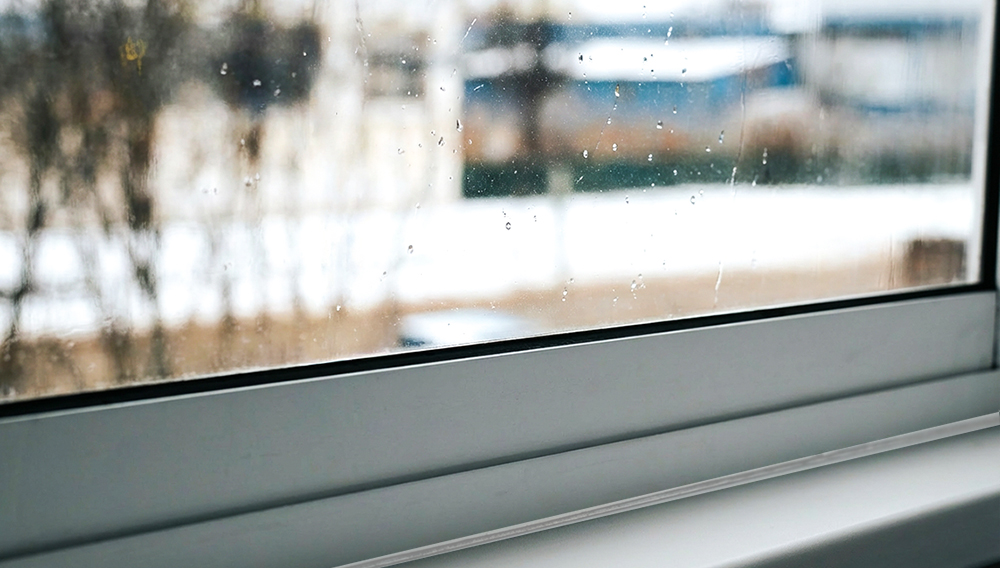
Condensation on windows is a common reaction to warm, moist air on a cold surface. Condensation on window glass does not mean the window is failing, but that the window is working. The idea of condensation on the windowpane means the window failing is a myth. In most cases, condensation has nothing to do with window quality. Instead, it is a sign of what is happening inside the house.
Understanding this difference can save you stress, time, and money. It can also help you keep your home healthier and more comfortable.
What Condensation Really Is
Condensation happens when warm, moist air touches a cooler surface. When the surface temperature drops below the dew point, the moisture in the air turns into water droplets. This is the same thing that happens when you place a cold drink on a table and water forms on the outside of the glass.
Your windows are simply the surface where this natural process shows up. They are not the cause.
Why You See Condensation More Today
Modern homes are built to be more energy efficient than ever. Better insulation, tighter construction, and high-performance windows help keep heat inside and drafts outside. This is great for comfort and energy bills. But it also means moisture has fewer places to escape.
When indoor humidity rises, it stays trapped inside the home. The windows become the first visible place where that moisture appears. Ironically, this means condensation is often a sign that your windows are doing their job by keeping heat in.

Common Sources of Indoor Moisture
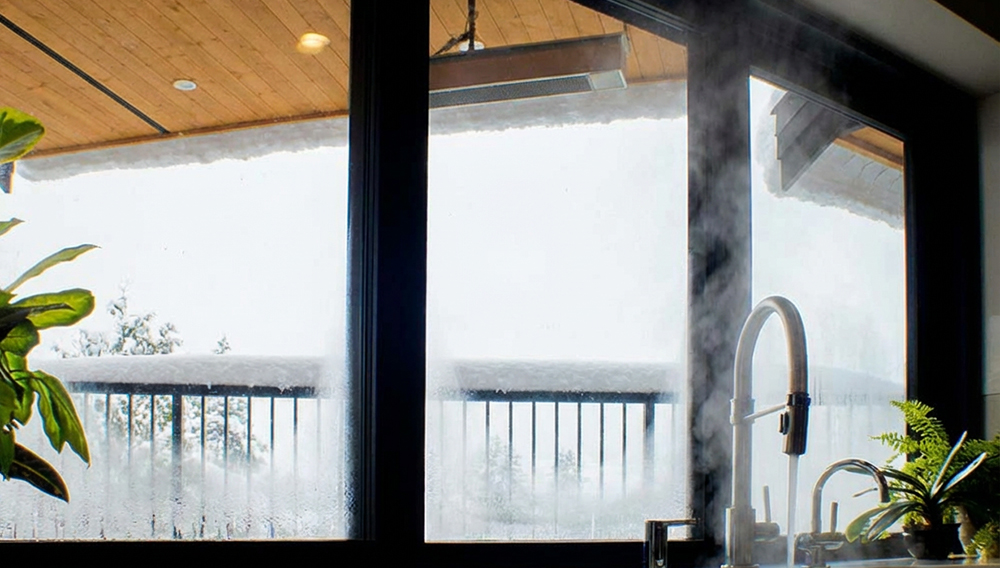
Everyday activities add moisture to the air. The biggest condensation contributors include:
• Long, hot baths or showers without the use of a fan
• Cooking without using a fan.
• Running humidifiers.
• Large gatherings of people.
None of these are window problems. They are normal parts of living in a well-sealed home.
When Condensation Is a Concern
There is one exception. If you see moisture between the panes of glass, the sealed unit may have failed. This is different from surface condensation and should be checked by a professional.
How to Reduce Condensation
You can take simple steps to lower indoor humidity and reduce condensation:
• Use bathroom and kitchen fans for at least 20 minutes after use.
• Open blinds or curtains to allow warm air to reach the glass.
• Reduce humidifier settings.
• Increase air circulation with ceiling fans or your HVAC system.
• Consider adding an HRV or ERV for balanced ventilation.
These slight changes can make a significant difference.
The Bottom Line
Condensation on the window is not a sign of window failure. In many cases, it’s an indication that the window is performing as designed. High-performance Westeck windows create a strong thermal barrier, helping retain heat, improve energy efficiency, and enhance comfort throughout the home.
When you understand how today’s windows work, condensation becomes less of a concern and more of a reminder of the role high-quality windows play in creating a more comfortable, efficient living space.