





Content courtesy of PEMBINA institute
Deep Retrofit Supply Chain Waiting For More Support
Need to overcome low demand, lack of skilled labour, and lagging regulation.
Canadians urgently need to adapt our homes to increasingly severe and frequent climate events. In 2023, Canada’s top ten weather events racked up an estimated $3.1 billion in insured losses and smothered Canadians from coast to coast to coast in record-setting wildfire smoke. Canada also has a lot of work ahead to decarbonize its buildings to meet its 2050 net zero emission goals: we will need to retrofit 4% to 6% of our building stock, or roughly 600,000 homes, each year.
The best way to lower emissions and increase the resiliency of our infrastructure is through deep retrofits: holistic energy efficiency upgrades to homes that improve occupant health and make housing more affordable by lowering bills, achieved through the use of low-carbon materials, new technologies (like heat pumps) and the use of smart electricity grids.
In our most recent report, we analyzed the deep retrofit supply chain. This meant talking to workers at every phase of the process, whether in building assessment, building and retrofit design, trades people that physically implement retrofits, and those responsible for monitoring building operations. From that analysis, we developed four policy recommendations:
Recommendation 1: Provide market certainty by implementing regulations that require deep building decarbonization.
Recommendation 2: Drive demand by clarifying the benefits of deep retrofits, helping to build trust in industry, and helping reduce complexity.
Recommendation 3: Work with utilities and other levels of government to increase grants and incentives to help reduce the high cost of innovative, low-carbon technologies used in deep retrofits that is holding back market growth.
Recommendation 4: Foster a more inclusive industry culture and practice by raising awareness and removing barriers to access for equity-deserving groups, and by requiring the employment of equity-deserving groups.
Natural Resources Canada recently launched the Greener Neighbourhoods Pilot Program and Deep Retrofit Accelerator Initiative to advance innovative solutions and scale up delivery of deep retrofits. These innovative government-sponsored programs are welcome, but their success will depend on several factors.
To be successful, the sector must build a supply chain of solution providers who can work at the speed we need to get those retrofits done. And this must be done with care as deep retrofitting can be complex and overwhelming for building owners. As anyone who has done a small renovation knows, well-intentioned but incremental upgrades made in haste can make it more difficult in the long run to deliver a complete, effective project. Owners need to understand the full potential deep retrofits can provide, while the supply chain needs to trust that investing in innovation and capacity will be rewarded with a healthy demand.
To better understand how to support the supply chain, we surveyed deep retrofit supply chain actors across Canada about the barriers they face in scaling up their operations. Results are presented in our report, Deep Retrofit Supply Chain Analysis: Scaling capacity to decarbonize Canadian residential buildings.
Retrofit Providers Speak Out
We found that providers need clear signals driving them to invest in growing skills, workforce, and innovation. Providers did not flag supply chain shortages costs as the top barriers, as we might have expected; rather, they indicated a readiness to expand their operations and scale up deep retrofits of more buildings. The shortage, however, is in demand — owners are just not asking for safer, healthier, more efficient and less polluting homes. “Performance level regulations are very helpful,” one interviewee explicitly stated, a view shared almost unanimously by all survey respondents. Regulations were prioritized as the most important market intervention governments can implement to motivate supply chain growth and provide market certainty. Effective regulation would include:
Setting energy performance standards for new buildings and requiring disclosure to build consumer awareness and create demand.
Implementation of the alterations to existing buildings code to require minimum building performance for retrofits.
Introduction of high-efficiency equipment standards to require replacement heating equipment be at least 100% efficient, such as heat pumps
Such regulations can take time but are coming in some jurisdictions. The Government of Canada has been working on an Alterations to Existing Buildings code, which was delayed from 2022 to 2030. And British Columbia is developing Highest Efficiency Equipment Standards for Space and Water Heating to go into effect in 2030.
In addition to the lack of demand, survey respondents described a shortage in skilled labour—not to be confused with labour in general. Deep retrofits require unique skillsets. As such, the federal government should commit $1.5 billion over five years for skill development, capacity building, and recruitment.
Finally, deep retrofits present an opportunity for communities throughout the country. Since most deep retrofit-related jobs take place within the communities they serve, retrofit projects prioritize local job creation and training. This will help to build inclusive and equitable workplaces that attract workers from equity-seeking groups — a win-win-win for people in Canada, industry, and policymakers alike.
Retrofitting Canada’s buildings to ensure homes are safer, healthier and climate resilient will require a collective effort from local through national, and preparing for a new climate reality is the opportunity we won’t want to miss. Luckily, Canada’s domestic know-how and innovation are well worth further investment. See our report to learn how.
Westeck isn’t just about products—it’s about service and innovation. The Westeck team is dedicated to guiding you through the selection process, ensuring you get the perfect fit for your home. And with a focus on continuous improvement, staying ahead of trends, ultimately providing you with the latest in window and door technology. Choosing Westeck means investing in quality, style, and peace of mind. Whether it’s windows, doors, or patio doors, Westeck offers solutions that enhance your home’s beauty, comfort, and efficiency. So why settle for anything less? Upgrade your space with Westeck and enjoy the perfect blend of form and function.
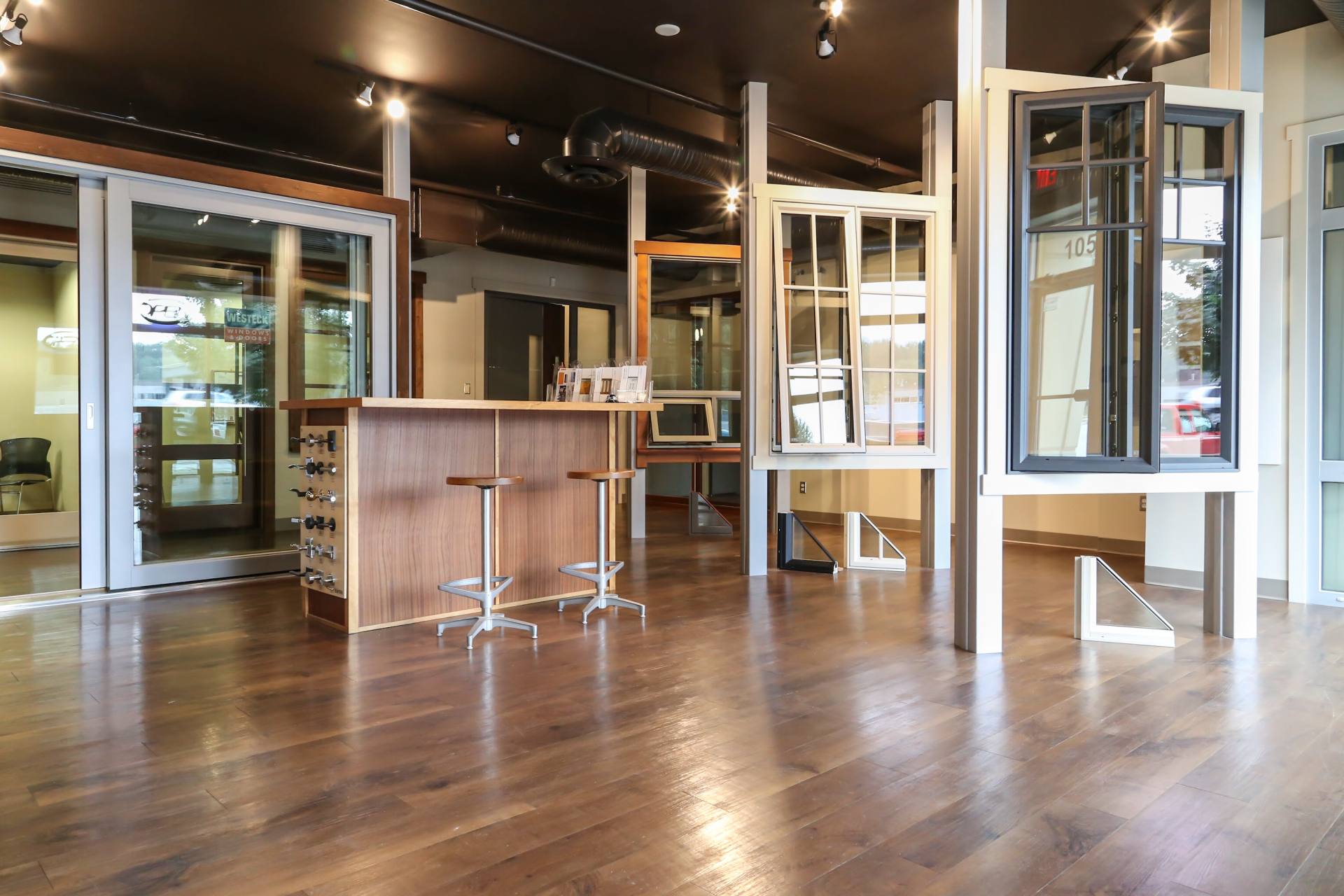
Westeck is a premier manufacturer of windows and doors. All major North American and European windows and doors are locally manufactured and proudly displayed in seven well-appointed showrooms including Kelowna, Victoria, Vancouver, Chilliwack, Nanaimo, Kirkland and Bellingham in Washington State. Each window and door is built to order, our customer have the freedom to design and create a product that is unique and personal. Enjoy our latest line of energy efficient windows and doors designed to enhance modern and contemporary architecture.
If you’d like to learn more about our windows, doors, and patio openings contact us Toll-free (US/Canada): 1-877-606-1166 or email us at for a consultation with one of our Project Consultants.